EXHIBITION

디자인코리아 2025: 디자인이 그리는 새로운 질서들
Design Korea 2025: New Orders Drawn by Design

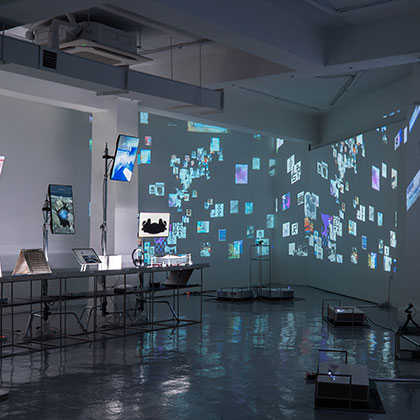
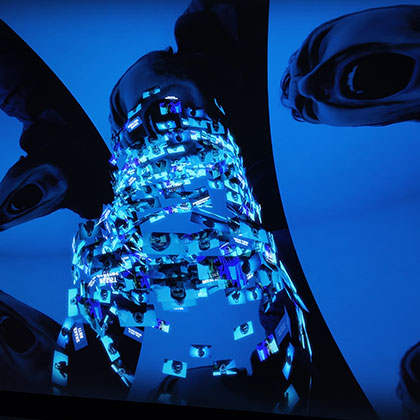
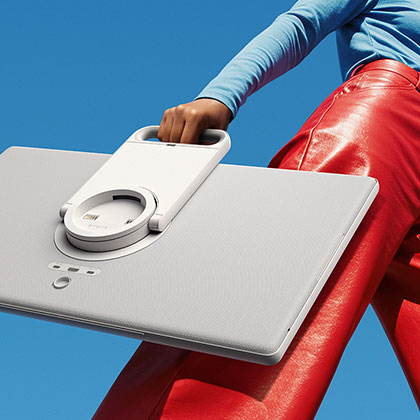
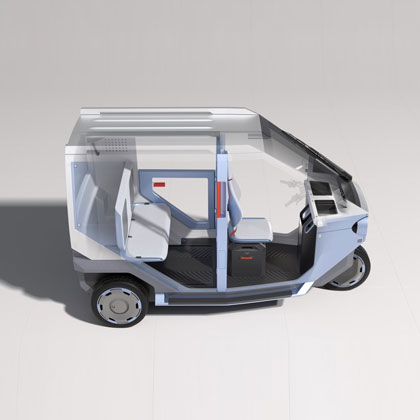
생성형 인공지능의 미래는 이제 대규모 언어 모델 속 코드의 ‘공존’을 넘어 양자컴퓨팅이 가져올 ‘중첩’의 메커니즘을 향해 이동하고 있다. 인공지능과 함께 급변하는 지금의 환경에서 우리는‘창의성’을 어떻게 다시 규정해야 할까? <디자인코리아 2025: 디자인이 그리는 새로운 질서들>은 인공지능 이후 필연적으로 도래할 변화의 본질에 주목한다. 그리고 그 변화와 함께 디자인이 그리는 새로운 질서들을 상상하는 디자이너들의 다양한 탐험들을 소개한다. 디자이너들이 사용자와 소비자의 감각과 경험을 어떻게 새롭게 다시 구성하는지, 이를 통해 산업과 문화의 확산을 어떻게 주도하는지를 언어, 사물, 사건이라는 세 가지 지평 위에서 소개한다.

The future of generative artificial intelligence is moving beyond the coexistence of code in large language models and toward the mechanism of superposition that quantum computing will usher in. In an environment of rapid transformation driven by AI, how must we redefine the very nature of creativity? <Design Korea 2025: New Orders Shaped by Design> focuses on the essence of the inevitable changes that will follow in the post-AI era. The exhibition introduces the diverse explorations of designers imagining the new orders that design can create within this transformation. It examines how designers currently reshape the sensory experiences of users and consumers, and in doing so, drive the expansion of industry and culture across three distinct horizons: language, events, and objects.
주제관 구성

주제관 섹션참여 콘텐츠
섹션 1. 언어의 지평: 감각하는 코드
Section 1. Horizons of Language: Sensing Code
- 민구홍 매뉴팩처링 Min Guhong Manufacturing
- 박윤형 Park Yunhyeong
- PWD
- 최정윤 Choi Jeanyoon
섹션 2. 사건의 지평: 다시 쓰는 서사
Section 2. Horizons of Events: Rewriting Narratives
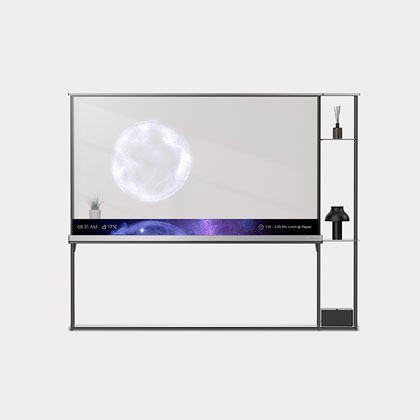
- 삼성전자 Samsung Electronics
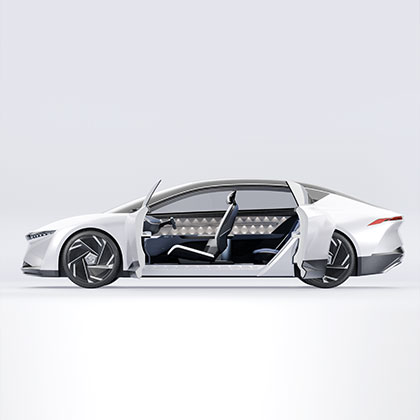
- 현대자동차 Hyundai
- LG전자 LG Electronics
- 서연이화 Seoyon E-HWA
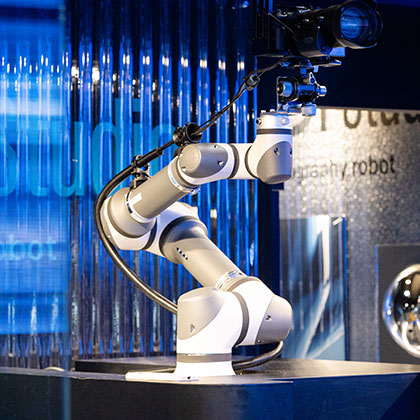
- 스튜디오랩 STUDIO LAB
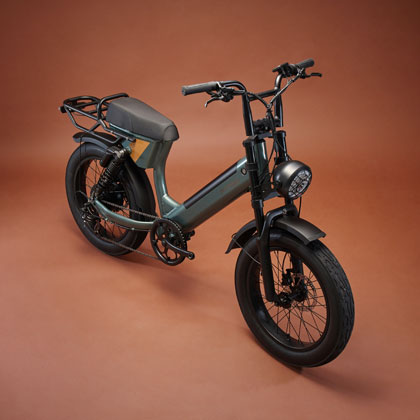
- (주)알톤 Alton Co.,Ltd
- 근로복지공단 재활공학연구소
KWCWS Korea Orthopedics & Rehabilitation Engineering Center
섹션 3. 사물의 지평: 관계 맺는 사물
Section 3. Horizons of Objects: Objects That Form Relations
- 장한나 Chang Hanna
- 세컨드화이트 Second White
- 비밥 BEBOP
- 헤이테이트 HEY TATE
- 트리뷰트브랜드 Tribute Brand

섹션 1. 언어의 지평: 감각하는 코드
Section 1. Horizons of Language: Sensing Code

쓰이는 순간 의미로 고정되는 문자는 인간의 내적 사고의 작동을 촉진하는 강력한 기술이다. 예를 들어, 바이올린, 오르간 등은 고도의 기술을 필요로 하는 도구이고, 연주자는 코드화된 악보가 지시하는 것을 내면화함으로써 도구를 제2의 본성으로 만든다. 오케스트라는 본성이 고도로 조합된 결과이다. 이렇게 만들어진 공연은 정신을 확장하고, 사고의 내적 밀도를 만든다. 문자의 이진법 체계로 정교화된 코드로 작동하는 대규모 언어 모델이 만든 인공지능이라는 고도의 성과가 어떻게 인간 제2의 본성을 만들어낼까? 이 섹션에서는 디자인이 코드와 만나 던지는 다양한 질문을 소개한다.

Written language is a powerful technology that fixes meaning at the moment of its use, stimulating the workings of our internal thought. For example, instruments like the violin and organ are tools that demand a high level of technical skill. The performer internalizes what the coded score dictates, thereby making the instrument a second nature. An orchestra is the result of these second natures being combined at a high level of sophistication. The performance born from this process expands the mind and creates an inner density of thought. How, then, might the advanced achievement of artificial intelligence—operating on sophisticated code refined from the binary system of written characters—create a new kind of second nature for humanity? This section introduces the diverse questions that design poses at its intersection with code.

섹션 2. 사건의 지평: 다시 쓰는 서사
Section 2. Horizons of Events: Rewriting Narratives

구술성이 강조된 음성 중심 사회에서는 종종 이야기의 서사를 누적하거나, 화려하고 강한 수사를 활용하거나, 감정 이입이 큰 묘사를 활용하거나, 덧대어 반복하거나, 또는 기억될 수 있는 시적 운율을 활용하는 방식이 중요한 커뮤니케이션 수단으로 쓰였다. 왜냐하면, 말은 발화되는 순간 사라지기 때문에 더 많은 주의와 관심을 만들면서 서서히 앞으로 나아가는 방식으로만 화자와 청자 모두를 이야기의 줄거리에서 벗어나지 않도록 단단히 묶을 수 있기 때문이다. 그리고 이렇게 쌓인 서사는 지식으로 보존될 수 있었다. 반면, 문자성이 강조된 사회에서는 지식을 더 추상화하고 개념화하는 방식으로 조직해 왔다. 인공지능은 이 두 가지 방법을 점차 종합하면서 입체화하는 환경을 제공한다. 학습된 데이터를 통계적으로 제공하는 것을 넘어 복잡한 서사를 조직적으로 종합해 인간의 경험을 입체적 사건으로 재구성한다. 이 섹션에서는 디자인이 우리 일상의 경험을 어떻게 서사화하는지 소개한다.

In oral, voice-centric societies, communication relied on key strategies such as cumulative storytelling, powerful rhetoric, highly empathetic descriptions, layered repetition, and memorable poetic rhythms. Because spoken words disappear the moment they are uttered, these methods were strategically necessary to bind both speaker and listener tightly to the story's plot, allowing the narrative to move forward while holding their attention. The narratives built in this way could then be preserved as knowledge. In contrast, societies where literacy is dominant have organized knowledge through greater abstraction and conceptualization. Artificial intelligence is now providing an environment that synthesizes these two methods, adding new dimensionality. Moving beyond the statistical presentation of trained data, AI systematically synthesizes complex narratives to reconstruct human experience as multifaceted events. This section explores how design narrativizes our daily experiences.

섹션 3. 사물의 지평: 관계 맺는 사물
Section 3. Horizons of Objects: Objects That Form Relations

나무든, 노래든, 건물이든, 학교든, 의자든, 꽃이든, 예술 작품이든, 동물이든, 그것이 실재적이든 비실재적이든, 자연적이든 인공적이든, 생물이든 무생물이든, 인간이든 비인간이든, 존재하는 모든 것은 주체이면서 동시에 또 다른 상대적 객체이다. 모든 것에는 그것만의 고유성이 있고, 각자는 서로에게 영향을 미친다. 그 때문에 관계는 언제나 잠재적 연결 가능성 안에서 이루어진다. 대규모 언어모델에 바탕을 둔 인공지능은 존재하는 모든 것의 위치를 우열의 위계 밖으로 재배치한다. 인공지능은 삶 속에서, 직업 속에서 관계 맺는 도구로 활용되고 있다. 이 섹션에서는 존재하는 모든 사물이 어떻게 디자인을 통해 우리의 삶과 관계 맺기 하는지 다양한 디자인 프로젝트들을 통해 들여다본다.

Everything that exists—whether a tree or a song, a building or a chair, a living animal or an inanimate artwork—is at once a subject and a relative object. All things possess their own uniqueness, and each mutually influences the other. For this reason, relationships are always formed within a field of potential connections. Artificial intelligence, grounded in large language models, positions all things outside the traditional hierarchies of value. And working from that externality, AI is now being used as a tool for forming relationships in our lives and our work. Through a variety of design projects, this section examines how all things form relationships with our lives through the mediating power of design.